The Best Low Light Houseplants (and What Low Light Really Means)
4 min read
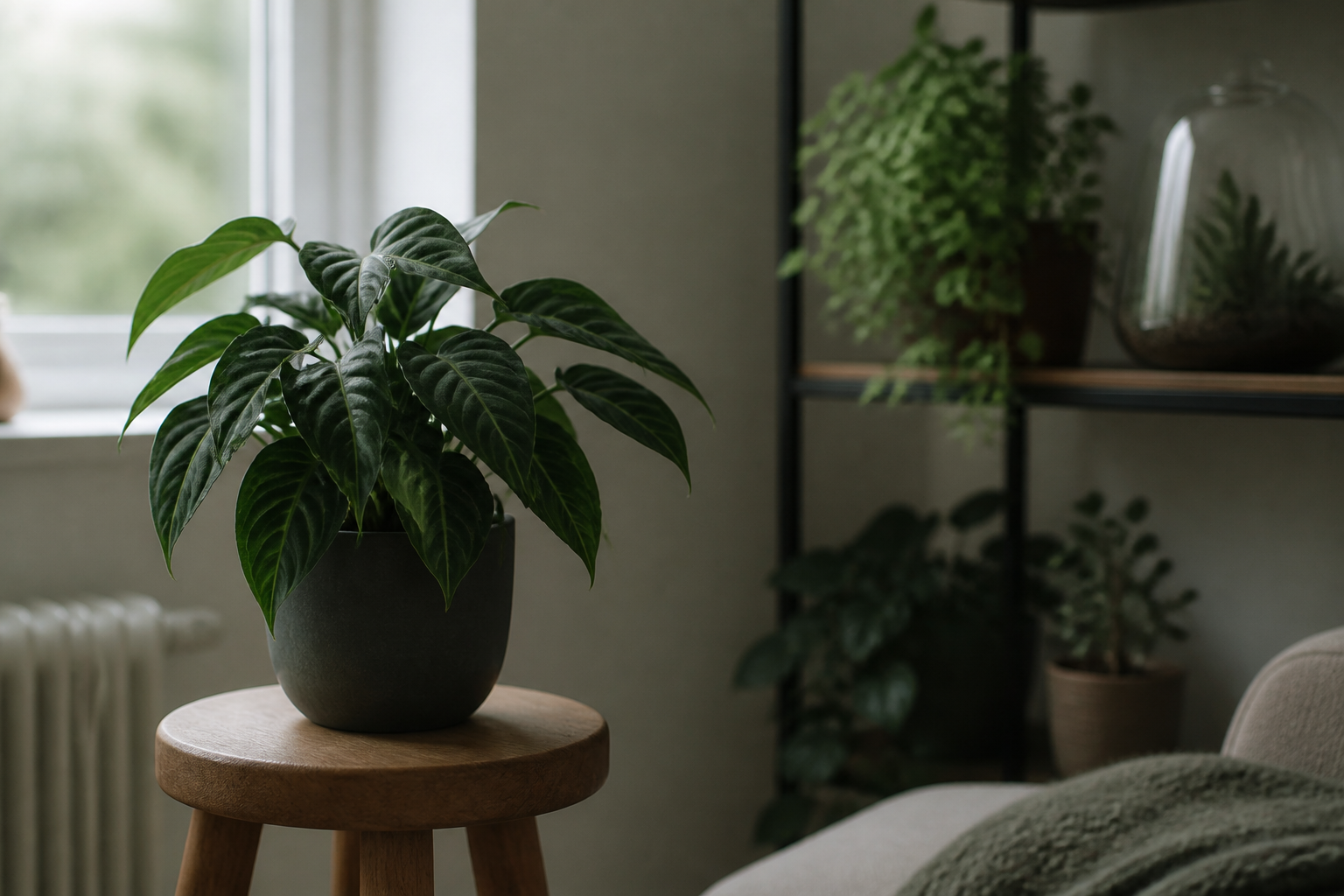
"Low light plant" is one of the most misleading labels in the plant world. No plant grows in darkness. What the label really means is a plant that tolerates lower light better than most, usually by growing slowly and using little energy. If you have a dim apartment, a north window, or a room with small windows, there are good plants to try. Setting honest expectations will help you choose well.
What low light actually means
A low light spot is one a few feet or more from a window, in a room with a north-facing window, or one shaded by buildings, trees, or curtains. In a room like that, you can usually read comfortably during the day but would not describe it as bright. Our guide to what bright indirect light means explains how to judge light more precisely.
Plants labeled low light will survive there. They will rarely thrive the way they would in brighter conditions. Expect slower growth, fewer new leaves, and in variegated plants, a loss of the patterned colors. That is normal, and it is not a sign you are doing something wrong.

Good low light houseplants
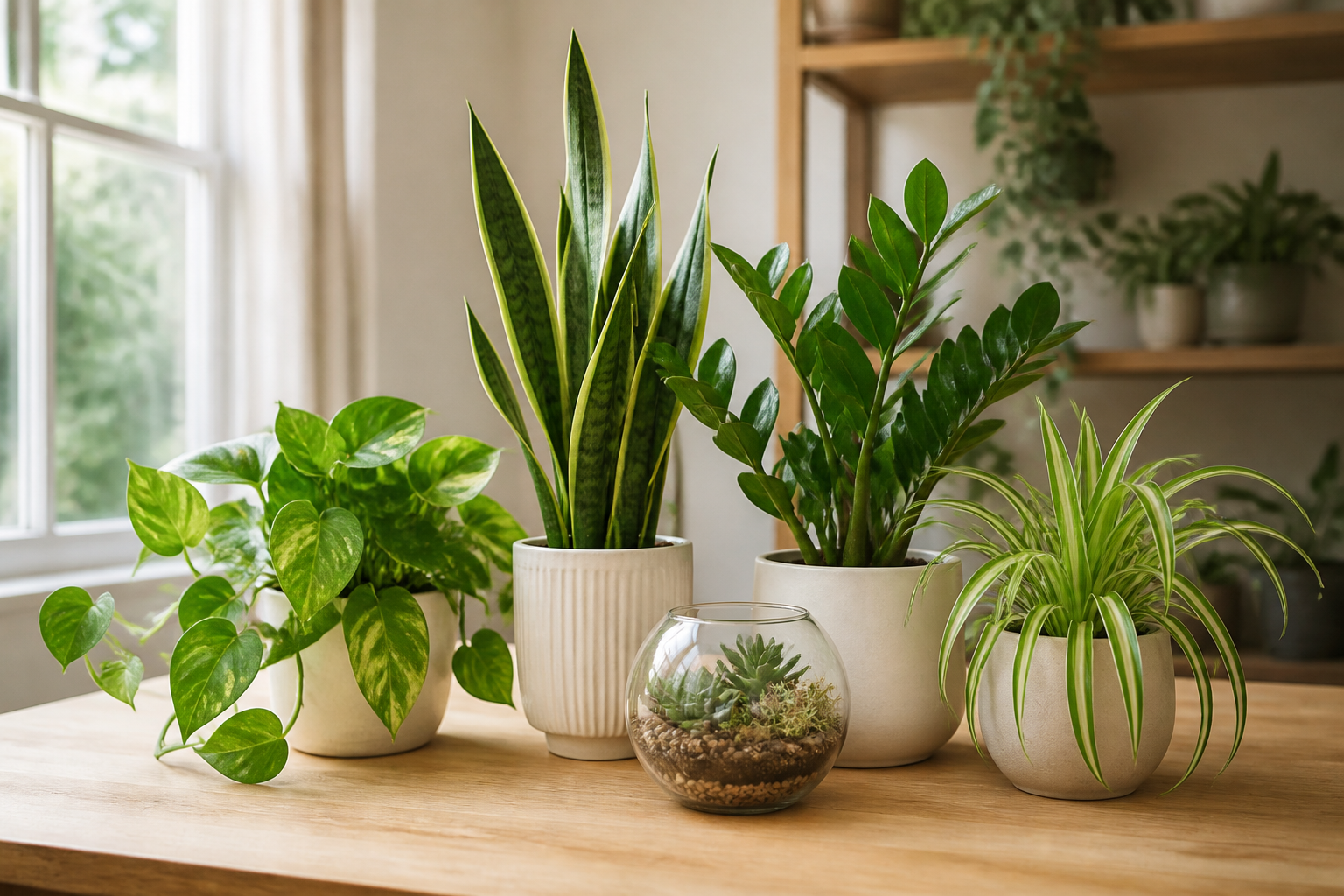
ZZ plant (Zamioculcas zamiifolia)
A tough plant with glossy, upright stems that stores water in thick underground rhizomes. It tolerates low light and irregular watering very well. Water only when the soil is dry. Overwatering is its main enemy.
Snake plant (Dracaena trifasciata)
Upright, architectural leaves, and very forgiving. It tolerates dim light, though it grows faster and keeps stronger patterns in brighter spots. It needs little water, especially in winter.
Cast iron plant (Aspidistra elatior)
Named for its toughness. It tolerates shade, cool temperatures, and neglect, and it grows slowly. It does not like direct sun, which can scorch its dark leaves.
Pothos (Epipremnum aureum)
A classic trailing plant that does reasonably in low light. In dim spots it will grow more slowly, and variegated types may lose some of their patterns. It is easy to propagate in water.
Chinese evergreen (Aglaonema)
Attractive foliage, in solid green and patterned varieties. The darker green types are better in low light, while the heavily patterned ones need more.
Peace lily (Spathiphyllum)
Dark green leaves and white blooms. It tolerates lower light, though it blooms best with brighter light. It droops dramatically when thirsty, which makes it easy to read.
Parlor palm (Chamaedorea elegans)
A small, graceful palm that does well in modest light. It is generally regarded as safe for cats and dogs, though it is wise to check current pet safety information for any plant.
Heartleaf philodendron (Philodendron hederaceum)
Similar to pothos, with heart-shaped leaves and a trailing habit. It is adaptable and tolerates lower light well. See pothos versus philodendron to tell them apart.

How to care for plants in low light
Low light changes more than the plant choice. It changes how you care.
- Water less. Plants in dim light use water slowly, so soil stays wet longer. Check the soil, using a finger or a metal chopstick, before every watering. Overwatering is the top killer of low light plants. See how often to water houseplants.
- Fertilize lightly, or not at all. A plant that is barely growing does not need much food.
- Wipe the leaves. Dust blocks light, and low light plants need every bit they can get.
- Rotate the pot every week or two so all sides get some light.
- Prune sparingly. Slow growers take a long time to replace lost leaves.
When to add light
If a plant stretches toward the window, drops lower leaves, or produces smaller and paler new leaves, it is asking for more light. See how to fix a leggy houseplant. A simple grow light on a timer can transform a dim corner. Many people use a standard full-spectrum bulb in a regular lamp and run it for eight to twelve hours a day.
Plants to avoid in low light
Many popular plants will struggle in dim rooms, even when sold as easy. These include most succulents and cacti, fiddle leaf figs, crotons, and most flowering plants. If you love these, either choose a brighter spot or use a grow light.
A realistic way to think about it
The best low light plant is one you do not mind seeing grow slowly. Choose tough species, resist the urge to overwater, and give them a clean, steady spot. If you are choosing your first plants, our list of the best houseplants for beginners overlaps with this one. And if you would like help matching plants to your room, our plant care service can advise.
Frequently asked questions
Can any plant live in a room with no windows?
No. All plants need some light to photosynthesize. A windowless room works only with a grow light, and even tough plants will decline in total darkness.
What is the best low light plant for a beginner?
The ZZ plant and snake plant are two of the most forgiving. Both tolerate dim light and infrequent watering.
Why is my low light plant not growing?
Slow or no growth is normal in low light, especially in winter. Make sure you are not overwatering, and consider a grow light if you want more growth.
Are low light plants safe for pets?
It depends on the plant. Parlor palms are generally regarded as safe, while pothos, philodendron, peace lilies, ZZ plants, and snake plants can be harmful if chewed. Check reliable pet safety sources before bringing any plant home.